

Hospital Setup Company in India

Hospital Setup Company in India

End-to-end hospital setup support covering planning, design, construction, equipment, licensing and operational readiness across India.

70+

Healthcare Projects

20+

Cities Across India

2018

Since

96%

Client Satisfaction

Hospital Setup

Complete Hospital Setup

Setting up a hospital involves a series of connected decisions, from defining the clinical services and capacity to planning the facility, developing the infrastructure and preparing it for operations.

CliniCity supports healthcare organizations through these stages with hospital setup consultancy covering feasibility, functional planning, architecture, infrastructure, medical equipment, compliance, manpower and project coordination. Each stage is considered in relation to the requirements that follow, helping create a healthcare facility that is practical to develop and prepared for its intended operations.

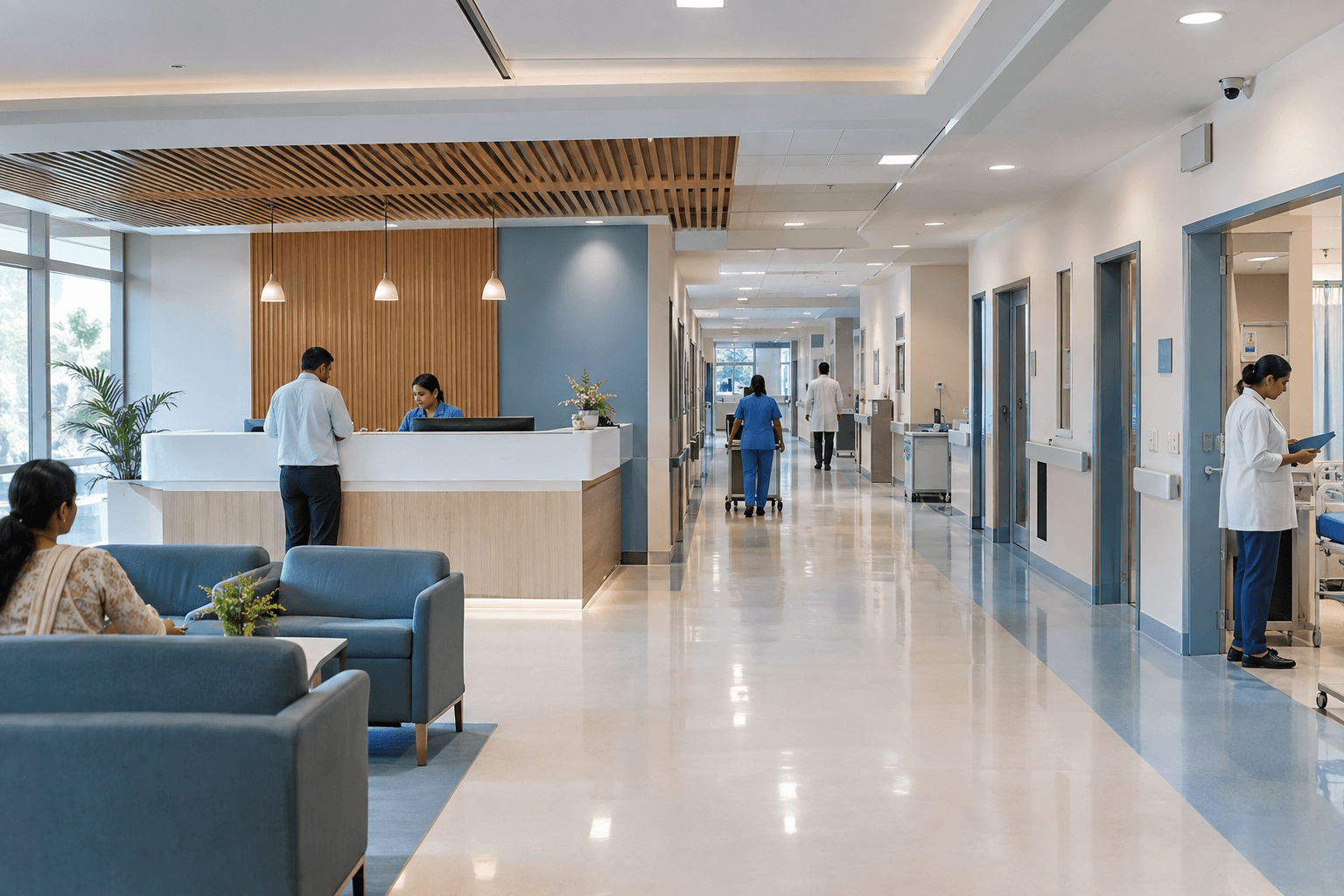
Hospital setup and healthcare facility development showing a professionally planned hospital environment

A hospital setup begins with defining what the facility needs to deliver. The proposed specialties, clinical services, expected patient volumes, bed capacity, location and development objectives influence the size, departmental requirements, infrastructure and investment needed for the project. Establishing these requirements early helps avoid making major design or procurement decisions without a clear operational basis.

CliniCity provides hospital setup services for doctors, hospital owners, healthcare entrepreneurs, investors and organizations developing new hospitals, expanding existing facilities or establishing specialized healthcare centres. Our work can include project feasibility, hospital business planning, functional planning, space requirements, departmental relationships, patient and staff flow, infrastructure coordination and development planning before the project moves into detailed design and execution.

Hospital planning and designing must then be coordinated with the physical and technical requirements of the facility. OPD, emergency, diagnostics, operating rooms, critical care, inpatient areas, administration and support services need appropriate relationships and circulation. Medical equipment planning is also considered alongside room functions, clinical workflows, utility requirements and projected usage so that infrastructure and equipment decisions remain consistent with the proposed hospital model.

The development stage brings architecture, construction, medical infrastructure, equipment procurement, licensing and compliance into the project framework. Requirements such as electrical systems, HVAC, plumbing, medical gases, fire and life safety, biomedical waste management and other applicable regulatory provisions need to be considered according to the facility and its clinical services. This coordination helps reduce the risk of changes or operational constraints emerging late in the project.

As the hospital approaches completion, the focus shifts toward manpower, equipment installation, operational systems, readiness checks, commissioning and launch. CliniCity's hospital launch support can help coordinate these final requirements so the facility is prepared to transition from project development into day-to-day healthcare operations.

For organizations exploring how to start a multispeciality hospital in India, these early decisions around demand, services, capacity, investment and development strategy provide the foundation for the hospital's planning and implementation.
Our Hospital Setup Services

What Does Hospital Setup Include?

Hospital setup brings together the planning, physical development and operational requirements needed to take a healthcare project from an initial concept to a functioning facility.

01Project Feasibility & Business Planning

Assess the proposed healthcare model, location, market opportunity, specialty mix, bed capacity, investment considerations and development objectives to establish a practical direction for the project before major commitments are made.

02Hospital Planning & Space Requirements

Define the clinical, diagnostic, administrative and support functions required for the facility, including departmental relationships, capacity, space requirements and circulation as a foundation for hospital planning.

03Architecture & Healthcare Design

Translate the functional requirements of the hospital into coordinated architectural and technical design, considering clinical workflows, patient movement, infrastructure, safety and the practical requirements of the proposed services through healthcare architecture and design.

04Hospital Construction & Infrastructure

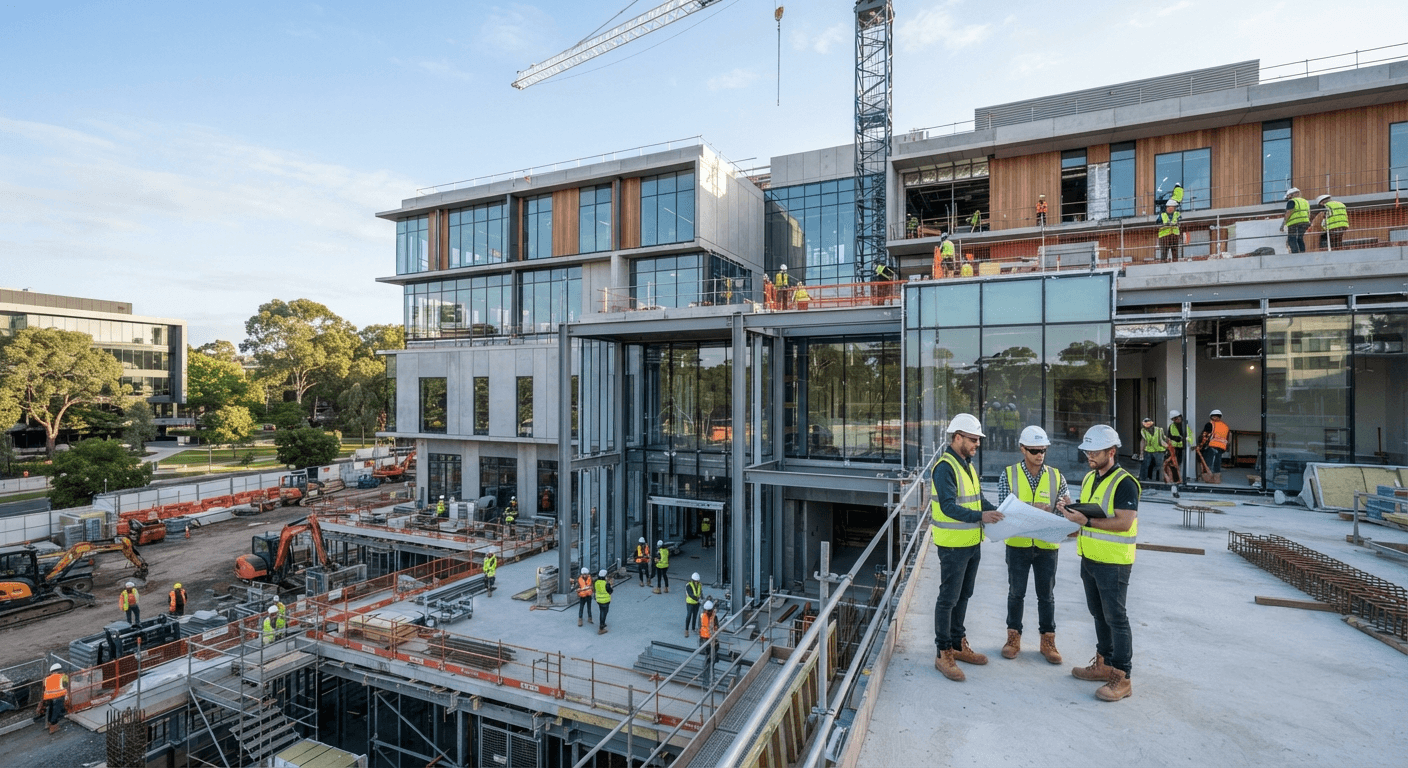
Develop the planned facility with appropriate civil, engineering, utility and medical infrastructure requirements, maintaining coordination between the approved design and on-site execution through hospital construction.

05Medical Equipment & Furniture Planning

Identify and coordinate medical equipment, hospital furniture and supporting requirements according to the proposed specialties, clinical workflows, room functions, capacity and infrastructure provisions, with procurement and setup support where required.

06Licensing & Regulatory Compliance

Identify the registrations, permissions, statutory requirements and compliance considerations applicable to the proposed facility and its clinical services, with licensing and compliance support incorporated into the project at the appropriate stage.

07Manpower & Operational Preparation

Plan staffing requirements around the hospital's departments, services and operating model, including recruitment priorities and preparation for the transition from project development to day-to-day operations.

08Commissioning & Hospital Launch

Coordinate the final requirements for equipment installation, operational preparation, readiness checks, handover and opening so that the completed facility can move into clinical operations in a structured manner.

Hospital Setup Process

A Structured Approach to Setting Up a Hospital

From the first project assessment to planning, development, procurement, compliance and operational launch, each stage is considered in relation to the requirements that follow.

We begin by understanding what the project is intended to achieve, including the proposed healthcare services, specialties, capacity, location, target patient population and development objectives. This provides the basis for assessing feasibility and defining the scope of the hospital project.

The planning stage then establishes how the facility needs to function. Departmental requirements, space, patient and staff movement, clinical workflows, infrastructure and equipment needs are considered before progressing into architecture and construction.

As the project moves forward, planning is coordinated with infrastructure development, procurement, licensing and project execution. Our hospital project management approach helps keep the different workstreams connected as the facility moves toward completion.

The final stages focus on equipment installation, manpower preparation, operational requirements and commissioning. The sequence can vary according to the facility, project scope and development strategy, particularly where a hospital is being developed in phases.

  • Project concept, healthcare services and development objectives
  • Market assessment, feasibility, capacity and hospital business planning
  • Functional planning, departmental requirements and hospital space planning
  • Architecture, infrastructure, construction and project coordination
  • Medical equipment, furniture and supporting infrastructure
  • Licensing, compliance and accreditation requirements
  • Manpower planning and operational preparation
  • Installation, commissioning and hospital launch support
Why CliniCity

Healthcare Infrastructure Partner

CliniCity brings healthcare planning, architecture, construction, medical equipment, compliance and project management together to support coordinated healthcare infrastructure development.

01

Healthcare-Focused Expertise

Our approach is built around the clinical, operational, infrastructure and development requirements of healthcare facilities.

02

Integrated Project Understanding

We consider planning, architecture, construction, medical equipment, compliance and project execution as interconnected parts of the healthcare project.

03

End-to-End Healthcare Support

Our support can extend from early project planning through design, procurement, construction, licensing, commissioning and operational readiness.

04

Practical Operational Planning

We focus on healthcare environments that support efficient workflows for patients, clinicians, staff and facility operators.

05

Scalable Project Approach

Project requirements are considered with future expansion, changing healthcare services, technology and long-term operational needs in mind.

06

One Healthcare Project Partner

Our coordinated approach helps healthcare organizations manage multiple project requirements through one experienced healthcare infrastructure partner.

CliniCity brings together healthcare planning, infrastructure expertise and project coordination to help create efficient, adaptable and future-ready healthcare facilities.

FAQs

Frequently Asked Questions

Find answers to common questions about healthcare planning, project development and CliniCity's services.

Hospital setup can include feasibility and business planning, hospital planning, architecture and design, construction, medical equipment, licensing and compliance, manpower preparation, commissioning and launch support. The exact scope depends on the type, size, services and development requirements of the healthcare facility.

A hospital setup company coordinates the different requirements involved in developing a healthcare facility, from early feasibility and planning through design, construction, equipment, compliance and operational preparation. The scope can be structured according to the project's requirements and development stage.

Setting up a hospital in India generally starts with defining the healthcare model, specialties and capacity, followed by market and feasibility assessment, project planning, functional planning, design, construction, equipment procurement, licensing, manpower preparation and commissioning. The specific requirements depend on the location, services and type of facility.

Hospital setup investment varies according to factors such as location, land and building requirements, bed capacity, specialties, built-up area, construction, medical equipment, interiors, technology, licensing, manpower and working capital. A project-specific assessment provides a more meaningful estimate than applying one standard cost to every hospital.

A hospital feasibility study can assess the proposed location, catchment area, healthcare demand, competition, specialties, bed capacity, service mix, investment requirements and development considerations. The scope and depth of the study depend on the type of project and information available.

The approvals and registrations required depend on the location, type of facility and clinical services proposed. Depending on the project, requirements may include healthcare establishment registration, fire and safety approvals, biomedical waste compliance, pharmacy-related licensing, radiation-related permissions for applicable services and other state or local requirements.

Yes. Medical equipment planning is an important part of hospital setup because equipment affects room requirements, utilities, medical infrastructure, workflow and installation. Equipment requirements should be considered alongside the hospital's clinical services and functional planning rather than treated as a separate activity at the end of the project.

Modern healthcare infrastructure facility
Healthcare Infrastructure

Let's Build YourHealthcare Project.

From planning to commissioning, we deliver healthcare infrastructure through one accountable partner.